


Christmas Travel and Interstate Drug Trafficking in Arizona
We’re Here to Help You – Talk to Our Legal Team Immediately

Holiday travel in Arizona can lead to serious drug trafficking charges. Learn about penalties, defenses, and how Guardian Law Group can protect your rights.
The holidays bring family, travel, and celebration, but for some, they also bring unexpected legal trouble. Every December, law enforcement agencies across Arizona increase patrols along major highways such as I-10, I-17, and I-40, targeting potential drug trafficking activity. Drivers passing through Maricopa County may not realize that what begins as a routine traffic stop can quickly lead to a drug trafficking charge with life-changing consequences.
Arizona’s drug trafficking laws are among the toughest in the nation.
A single accusation of transporting or possessing a certain amount of drugs can result in a felony offense, years in prison, and heavy fines. What many people don’t know is that these cases often begin during holiday travel, when police watch for out-of-state vehicles and suspicious activity near rest stops and rental car locations.
Table of Contents
- Understanding Arizona’s Drug Trafficking Laws
- Common Holiday Travel Scenarios That Lead to Trafficking Charges
- Threshold Amounts and How They Affect Your Case
- Penalties for Drug Trafficking in Arizona
- Real-World Examples of Drug Trafficking Cases During Holiday Travel
- Common Defense Strategies Used by Defense Attorneys
- FAQs About Drug Trafficking Charges in Arizona
- Important Things to Remember
- How Guardian Law Group and Christian Lueders Can Help
This article explains how drug trafficking in Arizona is defined under state law, what penalties you could face, and how an experienced criminal defense attorney like Christian Lueders from Guardian Law Group can help if you’re arrested while traveling this Christmas season.
Follow us On
Free Case Evaluation
Free & Confidential Consultation
Don’t Wait – Call Us Now to Speak with an Arizona Criminal Defense Lawyer

► Understanding Arizona’s Drug Trafficking Laws
Under Arizona Revised Statutes (ARS) §13-3405, §13-3407, and §13-3408, it is illegal to knowingly possess, transport, or sell marijuana, dangerous drugs, or narcotic drugs. The law distinguishes between possession for personal use and possession with intent to sell or distribute, also called drug trafficking.
A drug trafficking offense typically means law enforcement believes you had more than the “threshold amount” of a controlled substance, which implies intent to distribute drugs for sale.
The amount of drugs determines whether you face simple possession charges or serious class 2 felonies.
Drug trafficking cases in Arizona often involve substances like:
- Cocaine
- Methamphetamine
- Fentanyl
- Heroin and other narcotic drugs
- Prescription pills sold illegally
- Marijuana and THC concentrates
Even if you’re just driving through Arizona, having these substances in your vehicle — particularly across state borders — getting arrested but living out of state can lead to severe trafficking charges.
► Common Holiday Travel Scenarios That Lead to Trafficking Charges
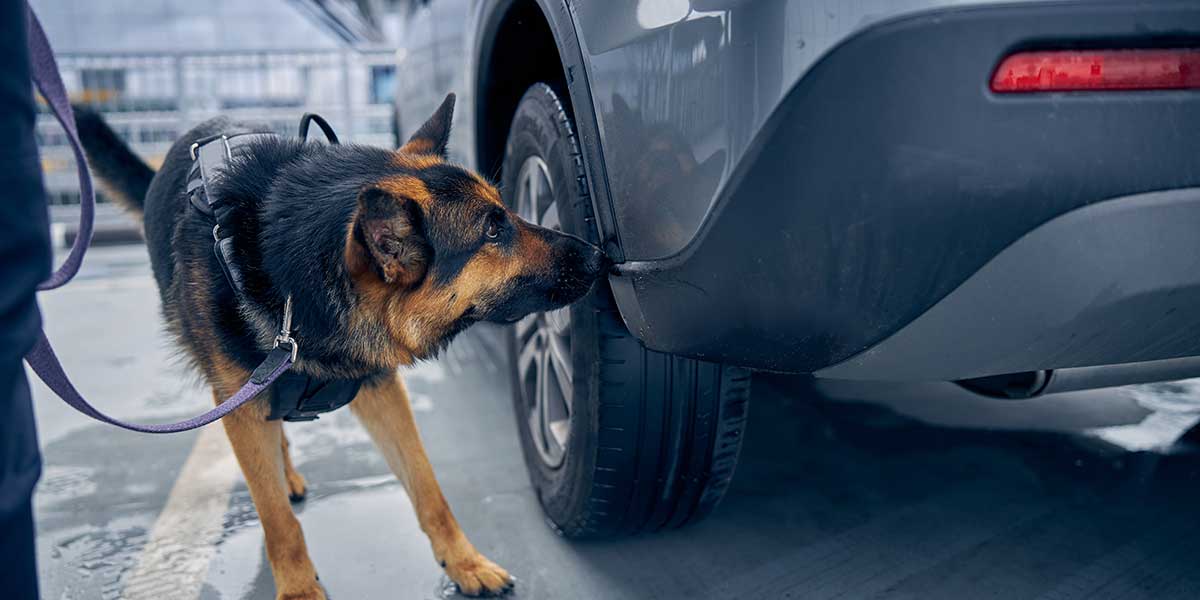
During the Christmas season, law enforcement focuses heavily on interstate travel routes. Patrols along I-10 between Tucson and Phoenix, as well as I-17 through Maricopa County, are common areas where drug trafficking arrests occur.
Typical holiday travel cases include:
- Rental Cars: Officers frequently stop rental vehicles, assuming they are used to transport illegal drugs across state lines.
- Out-of-State Drivers: Plates from other states often trigger increased suspicion during traffic stops.
- Vehicle Searches: After a stop for speeding or an equipment violation, police may claim to smell marijuana or notice nervous behavior, then request a search.
- Hidden Compartments: Discovering drugs concealed in luggage or behind panels can lead to immediate arrest and vehicle seizure.
These investigations usually involve law enforcement agencies such as the Arizona Department of Public Safety (DPS), DEA task forces, and county sheriff’s deputies, focusing on Arizona drug trafficking. Once drugs are found, the prosecutor may charge you with a class 2 felony for drug trafficking, even if you were unaware that the drugs were in the car.

► Threshold Amounts and How They Affect Your Case
Arizona’s threshold amount laws under ARS §13-3401(36) are key to determining whether possession becomes trafficking. When someone possesses more than the legal threshold, prosecutors can presume intent to sell, even if there’s no direct evidence of a sale or exchange.
Here are the threshold amounts for some common drugs in Arizona:
- Marijuana: 2 pounds
- Methamphetamine: 9 grams
- Cocaine: 9 grams
- Heroin: 1 gram
- LSD: 0.5 milliliter, a substance often involved in drug offenses.
- PCP: 4 grams, a quantity that can lead to serious drug charges under Arizona law.
If you’re found with more than these amounts, the state of Arizona automatically treats the case as drug trafficking, not simple possession.
This can lead to a prison sentence rather than probation, and those convicted are often not eligible for probation under ARS §13-3407.
An experienced criminal defense attorney will analyze whether the drugs were weighed correctly, if they were mixed with other substances, or if officers had probable cause to search your vehicle in the first place.
► Penalties for Drug Trafficking in Arizona
The penalties for drug trafficking depend on the type of drug, quantity, and whether you have any prior convictions. Under Arizona Revised Statutes, trafficking offenses can range from class 6 felonies to class 2 felonies, carrying significant prison time and fines.
A conviction can lead to:
- Mandatory years in prison (even for first-time offenders)
- Fines up to $150,000 per count
- Loss of driving privileges
- Asset forfeiture (vehicles or cash believed to be tied to the offense)
Repeat offenders or those caught transporting drugs across state lines face enhanced penalties and may even be investigated federally.
Below is a visual overview of Arizona’s penalties for drug trafficking:
| Offense Type | Classification | Prison Term | Fine | Relevant Statute |
| Marijuana Trafficking (Over 2 lbs) | Class 2 Felony | 3 to 10 years in prison | Up to $150,000 | ARS §13-3405 |
| Methamphetamine or Cocaine Trafficking | Class 2 Felony | 5 to 15 years in prison | Up to $150,000 | ARS §13-3407 / §13-3408 |
| Narcotic Drug Trafficking (Heroin, Opioids) | Class 2 Felony | 7 to 21 years in prison | Up to $150,000 | ARS §13-3408 |
| Possession of Drug Paraphernalia | Class 6 Felony | Up to 2 years in prison | Up to $150,000 | ARS §13-3415 |
If you’re facing a drug trafficking conviction, the outcome depends heavily on the defense strategies used and whether your rights were violated during the investigation.
► Real-World Examples of Drug Trafficking Cases During Holiday Travel
Example 1:
A man driving from California to Texas along I-10 is stopped in Maricopa County for tailgating. Officers claim to smell marijuana and search the car, discovering five pounds of cannabis hidden in the trunk. Because the amount exceeds the threshold amount, he is charged with a class 2 felony for trafficking illegal drugs.
Example 2:
Two college students rent a car to visit their family for Christmas. Police on I-17 in Coconino County find several bags of pills under a seat, believed to be methamphetamine. Even if one passenger claims the drugs are not his, both the driver and passenger could be charged with drug trafficking because they had control over the vehicle.
These examples show how easily a simple traffic stop can lead to serious criminal charges during holiday travel. Christian Lueders and the Guardian Law Group regularly represent clients in similar drug trafficking cases, often identifying constitutional violations that lead to case dismissals.
► Common Defense Strategies Used by Defense Attorneys
Every case is different, but a skilled criminal defense lawyer will look for weaknesses in how the law enforcement agencies handled the stop, search, and arrest. Christian Lueders, a former felony prosecutor, understands how these cases are built and knows how to challenge them effectively.
Five common defense strategies include:
- Unlawful Search and Seizure: If officers searched your car without consent, a warrant, or valid probable cause, evidence related to drug-involved activities may be thrown out.
- Lack of Knowledge: Prosecutors must prove you knowingly possessed or transported the drugs.
- Chain of Custody Issues: Mistakes in how evidence was handled or tested can lead to dismissal.
- Invalid Traffic Stop: If the original stop was illegal, all evidence that followed may be suppressed.
- Misidentification of Substance: Lab results sometimes reveal the material was not a controlled or dangerous drug as claimed.
Guardian Law Group has successfully challenged evidence in numerous drug trafficking charges in Arizona, helping clients avoid years in prison and protect their future.
► FAQs About Drug Trafficking Charges in Arizona
- Can I be charged even if I didn’t know the drugs were in the car?
Yes. Prosecutors can charge you if they believe you had control or access to the drugs. However, proving you knowingly possessed them is essential for a conviction. - What’s the difference between drug possession and trafficking?
Drug possession means having drugs for personal use, while trafficking involves a larger quantity of drugs that suggests intent to distribute or sell. - Is probation possible after a trafficking conviction?
In most drug trafficking cases, you are not eligible for probation unless you provide substantial assistance or the type of drug is below the threshold. - Are trafficking charges in Arizona state or federal cases?
They can be either. If drugs were transported across state borders, federal prosecutors may get involved. - What happens to my vehicle if I’m arrested?
Police can seize any property believed to be used in the transportation or sale of drugs, including vehicles or cash. - What should I do if I’m charged with drug trafficking during holiday travel?
Contact an experienced drug defense attorney immediately. Do not answer questions without legal counsel present. - How can Christian Lueders help my case?
As a former Maricopa County felony prosecutor, Christian Lueders understands how cases are built and can anticipate the prosecution’s tactics to create the strongest possible defense.
► Important Things to Remember
- Arizona has strict drug trafficking laws under the Arizona Revised Statutes.
- Exceeding the threshold amount can lead to an automatic class 2 felony.
- Holiday patrols increase along I-10, I-17, and I-40.
- Never consent to a vehicle search without speaking to an attorney.
- Your rights may have been violated during the stop or search.
- A drug trafficking conviction can result in years in prison and large fines.
- Call Guardian Law Group for a free consultation before speaking to law enforcement.

► How Guardian Law Group and Christian Lueders Can Help
If you or a loved one were charged with drug trafficking during holiday travel, Guardian Law Group can help. Christian Lueders brings years of experience as a former felony prosecutor, giving him unique insight into how the state builds drug crime cases.
He and his team thoroughly review every aspect of your drug trafficking case, including whether the officers had probable cause, if evidence was collected legally, and whether your constitutional rights were violated. This attention to detail can mean the difference between dismissal and conviction.
Guardian Law Group offers a free consultation to anyone facing drug trafficking charges in Arizona, including arrests on major highways or within Maricopa County. You’ll speak directly with Christian Lueders, not an assistant, and receive an honest evaluation of your options.
When your future is at stake, trust a defense lawyer who has stood on both sides of the courtroom. Call (480) 316-4618 or visit our law office for assistance with Arizona drug charges. https://guardianlawaz.com to schedule your free consultation today.