
Guardian Law Group · Arizona
What Happens After a Felony Drug Arrest in Arizona
Hire a criminal defense attorney before anyone talks about the stop, the search or the drugs.
Hire a criminal defense attorney first.
Free case review: 602-888-8020. Available 24/7.
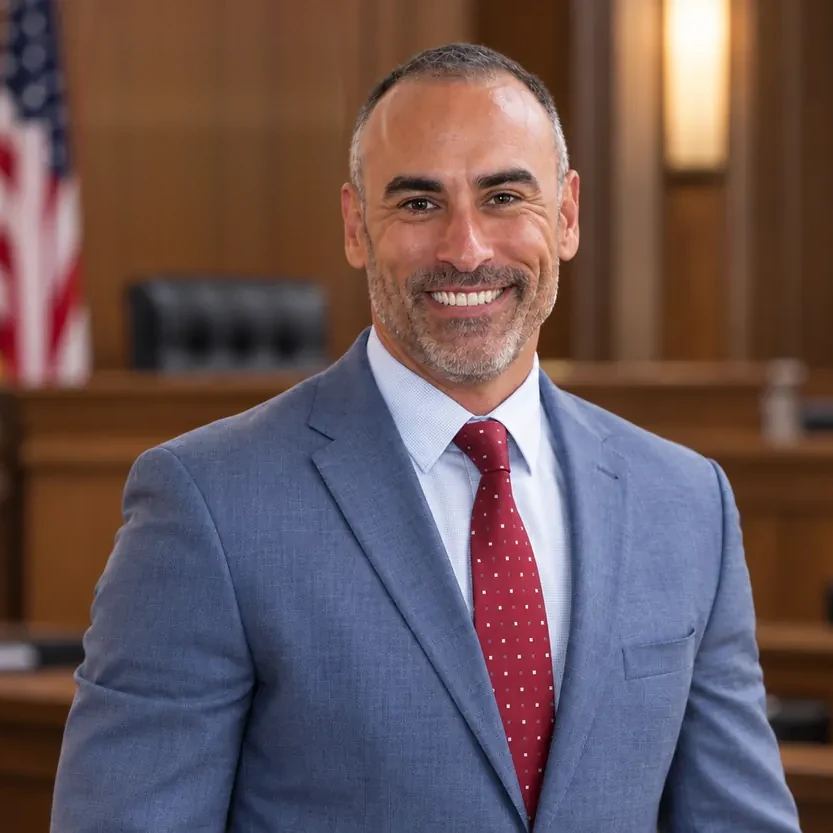
Christian M. Lueders
Former Maricopa County felony prosecutor
If you or a loved one was just arrested on a felony drug charge in Arizona, the first days can feel confusing. Here is what typically happens to the person who was arrested, and what to do now.
Awards & Recognition

Best of the Valley 2026

Platinum Client Champion 2024 & 2025

Top 100 Criminal Defense

Criminal Defense Attorneys 2025

Litigator of the Year, Criminal Defense, 2025

Clients’ Choice Award 2024 & 2025
Quick answer
Hire a criminal defense attorney before anyone talks about the stop, the search or the drugs. Keep every paper you were given. Do not discuss the facts on a jail call, in a text or on social media. A charge is not a conviction. The State still has to prove its case, and the label on the arrest paperwork can still change.
Call or text 602-888-8020. If someone is in custody, text 480-604-4329.
What a Felony Drug Arrest Can Mean
The paperwork may say possession, possession for sale, transportation or another drug offense. Many Arizona drug charges can be filed as felonies, depending on the drug, the amount alleged and what the State says happened. People often hear one thing at arrest and see another on the paper later. That early label is a starting point. The prosecutor reviews the case and decides what to file. For a general overview, see our Arizona drug crimes guide.
Right After the Arrest
After an arrest, the person is usually booked and any property taken is documented. Protect the record. Do not explain what happened.
Be respectful and say, “I’m not answering any questions without my attorney.” Christian Lueders calls those the magic words.
- Say you want to remain silent and want a lawyer.
- Do not explain whose drugs they were, where you were going or what was in the car, a bag or a phone.
- Do not consent to more searches, and do not unlock a phone.
- Do not discuss the case with other people who were there, in a patrol car or at the station. Those conversations may be recorded.
- Keep any property receipt, citation, complaint or release paperwork.
You do not need a full account of the arrest before you call a lawyer. The attorney can take the next steps from the papers you already have.
The First Court Date
In Arizona, a person who is arrested is generally brought before a judge for an initial appearance within 24 hours. The judge addresses the charge as it is listed so far and sets release conditions. A defense attorney can appear, explain the next date and argue for reasonable conditions. No lawyer can promise release. The court sets those conditions.
If you are released, follow every condition exactly. If you are still in custody, do not talk about the facts of the case on a recorded call or video visit.
How the Case Usually Moves After That
- The charging decision. The prosecutor reviews the reports, any video and the lab work, then decides what to file. A charge can stay the same, be reduced or be filed as a more serious felony than the paperwork suggested.
- Later court dates. The case continues while the State has to show the charge can move forward. Your attorney will tell you which dates you must attend.
- The evidence review. A defense attorney compares the report to body camera or dash camera video, witness statements and lab results. That often includes what was found, where it was found, who had access to it and how it was handled.
- The stop and the search. Many felony drug arrests start with a traffic stop or a home search. If either was unlawful, the defense may be able to challenge the evidence.
- Possible next paths. Some cases are dismissed or reduced. Some are resolved by agreement. Some go to trial. What is possible depends on the facts, the charge and the person’s history. No result is guaranteed.
What to Do Now
- Get a defense attorney involved early, before anyone gives a statement.
- Keep every paper, including release conditions and any notice about seized property.
- Write down a private timeline for your lawyer only: where and when the arrest happened, what you were asked and who else was there.
- Do not try to “clear things up” with police, a detective or a prosecutor, and do not post about the arrest.
- Do not contact other people who were there to get their stories straight, and do not accept an offer or sign a statement before you talk to your lawyer.
When you are ready to hire counsel, visit our Arizona drug crimes attorney page.
When You Call
You can call or text Guardian Law Group at 602-888-8020. Available 24/7. Your free review is a review of the specific criminal case. If you or a loved one is in custody, text the person’s full name, date of birth and where they are held to 480-604-4329.
Send any charge, court, court date and paperwork you already have. Save the full story for a confidential conversation with the attorney.
Christian M. Lueders is a former Maricopa County felony prosecutor who now defends people in Arizona drug cases.
Hire a criminal defense attorney first.
Call 602-888-8020. Available 24/7. Your free review is a review of the specific criminal case. Send your case details ahead so we can focus on your case. If someone is in custody, text 480-604-4329.